
The soil of the pot can be normal soil and sand, and the flowers and plants inside the pot or gardens can grow normally and slowly with only what they get from the clear water. But combine the same potting soil or garden soil with mineral pumice and witness its miracle in the growth and flowering of flowers and plants. Yes, as the name mineral pumice suggests, it is a stone impregnated with minerals. Minerals are also for the growth of flowers and plants, such as creatine for bodybuilders, which greatly increases the growth rate. But in order to be able to see the best effect of mineral pumice on decorative and edible plants, you must be able to use mineral pumice correctly to strengthen the soil of home pots and greenhouses, garden soil and even agricultural land. Now you may have this question How to identify the best mineral pumice?
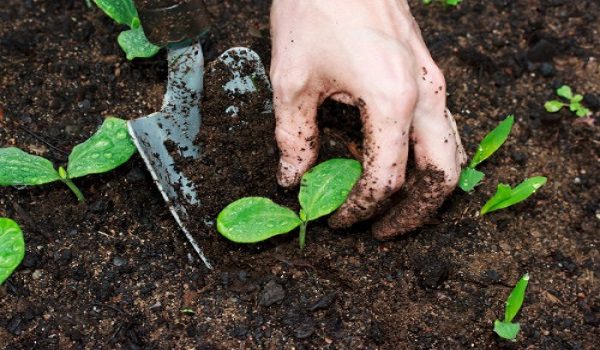 As you have seen from our other articles and products, mineral pumice It has different types and probably choosing the right type of pumice is one of your many concerns. We show the best pumice for growing flowers and plants in two parts:
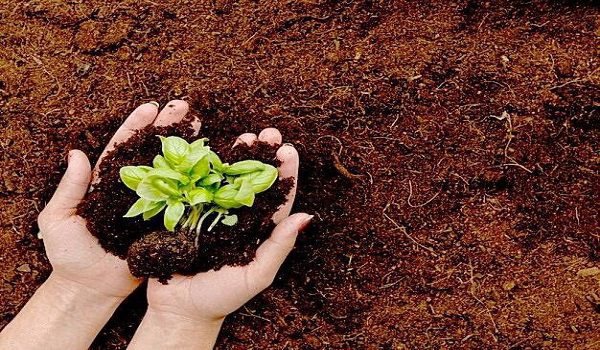 If you have used pumice in the soil of pots and gardens, you have seen its wonderful effect on the growth of seeds and plants, but how does this happen? How does pumice affect plants? In order for these questions to be answered in your mind, we present the impact of pumice on plants and soil health in the form of the following list:
1- Planting plants in mineral pumice ensures that the mineral nitrogen, which plants need for all their enzymatic reactions, and its deficiency reduces cell division and disrupts plant growth.
2- Phosphorus mineral in mineral pumice, which accelerates the transfer and storage of energy in plants and also controls the correctness of photosynthesis.
3- The potassium mineral found in mineral pumice, which causes plants to grow and strengthen their metabolism by activating enzymes.
4- Calcium minerals in mineral pumice that increase the quality and freshness of flowers and plants.
5- mineral pumice magnesium minerals that activate enzymes, increase fat production, photosynthesis and youth of flowers and plants. The presence of magnesium in the soil is absolutely necessary, and if it is not absorbed by the roots of the plants, it will cause them to turn yellow and dry.
6- Boron, chlorine, iron, manganese, molybdenum and zinc minerals in mineral pumice will help plant growth. A soil that has enough of these minerals is called healthy soil, and for this reason, mineral pumice can multiply the health of the soil.
7- In pots, due to lack of space, oxygen delivery to the inner parts of the pots may not be done properly. Due to their holes and porosity, mineral pumice can make oxygen supply easier while absorbing and maintaining water. In cases where the plant soil is clay, mineral pumice also prevents soil compaction. Of course, be careful, all mineral pumice extracted from any social situation do not have the same amount of these minerals, and even all these materials may not be present in a mineral pumice. However, it carries a large amount of these minerals and definitely helps the health of the soil of pots, gardens, greenhouses and agricultural lands. In relation to agricultural issues and the impact of pumice in this area, you can read the article Application of mineral pumice in agriculture take advantage Regarding other uses and reading materials related to mineral pumice, you can also use the link of related articles at the bottom of the page. Read more about types mineral pumice And order them from Mantashlou mine:
pumice sand
fine pumice
hazelnut-size pumice
pea-size pumice
almond-size pumice
Industrial pumice stone
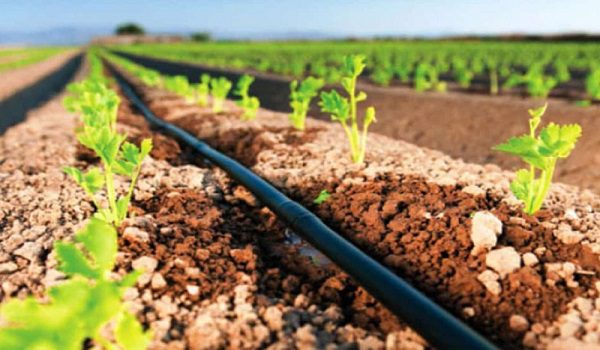 To use pumice in pots, gardens and agricultural lands to grow flowers and plants, just do the following:
How to use mineral pumice in pots and gardens
Soil and its moisture level play an important role in the growth of plants. Types of mineral pumice They have the ability to absorb and hold water in a large amount. Collections Properties and characteristics of mineral pumice It causes them to be very practical and useful in the agricultural industry and pots. The potting soil without mineral pumice loses the water that is poured into it quickly, while the soil containing mineral pumice can stay moist for a longer period of time and thus help the growth of flowers and plants. In general, the mineral salts in mineral pumice and its antibacterial properties can have countless benefits for planting plants in mineral pumice. This article can also be useful for you: Application of mineral pumiceThe best type of mineral pumice for pots
1. mineral pumice size
pumice may be available from a few centimeters to a few millimeters in size. Pumice size is one of the criteria for selection The best construction pumice It is in different applications. In order for the minerals to be better separated from the pumice and penetrate into the roots of the plants, you should try finer-grained pumice. It is more suitable for planting plants in mineral pumice. Of course, agricultural lands have the capacity of larger pumice stones. Another point is that if plant seeds are planted in the soil, be sure to use finer seeds to cover the seeds completely.2. Pumice quality
As it is fully explained in mineral pumice's quality detection article, especially in the soil of pots and sensitive plants, you must use high-quality pumice. Be careful because low-quality pumice can contain impurities such as lime and substances harmful to potting soil. Absence of impurity, proper porosity and pumice from colder regions result in higher pumice quality.Types of mineral pumice suitable for pots
fine pumice, pumice sand, pea-size pumice (large pots)Types of mineral pumice suitable for gardens and greenhouses
fine pumice, pea-size pumice, hazelnut-size pumiceTypes of mineral pumice suitable for agricultural land
hazelnut-size pumice, almond-size pumice, pea-size pumice, industrial pumice, this article can also be useful for you: Pumice for slopeBenefits of using mineral pumice in the growth of flowers and plants
How to use mineral pumice in pots and gardens