
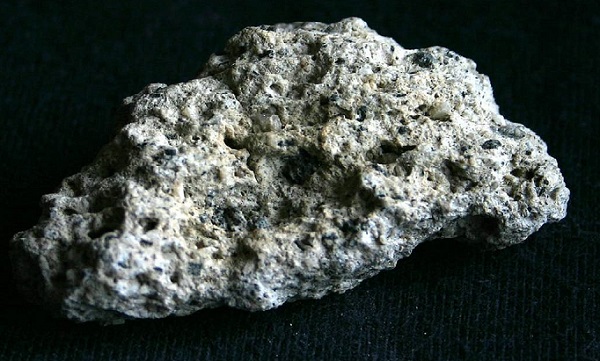
What kind of stones is mineral pumice? What are the types of pumice? What features does it have? Know everything about pumice in just one click.
What is mineral pumice? mineral pumice (mineral pumice) may not have financial value like ruby, but in industry, agriculture, construction and concrete structures, it has more operational value than ruby and any precious stone! very low weight so that it can be called cotton stone, high strength, sound insulation, heat and cold, abundance and abundance of mineral substances and salts; One of the unique properties and features of mineral pumice. This amazing stone is made by nature and it came out of the heart of volcanoes and by trapping gas during rapid cooling; It turns into a porous stone called mineral pumice, although humans have also realized its artificial construction from clay under the name of industrial pumice; But mineral pumice extraction continues more than before. Join us to teach you everything you need to know about this mineral.
What is mineral pumice?
mineral pumice (mineral pumice) consists of two parts, pumice and mineral, the first part, pumice, is called a stone with very light weight, high porosity, high strength and insulation.
The reason for the low weight and high porosity of mineral pumice: Molten materials are sent from the depths of the earth to the surface of the earth, and volcanic gases are absorbed by the molten materials in the high pressure underground. When the molten materials reach the earth's surface, if they cool and freeze quickly due to the low temperature and humidity of the earth's surface; Minerals and volcanic gases are trapped in the cooled molten material, causing high porosity and low mineral pumice weight.
The reason for the minerality of pumice: the passage of molten materials from the depths to the surface of the earth is rich in mineral substances and solutes, and the molten materials dissolve these minerals at a temperature of about 1000 degrees Celsius or more. Then, after cooling the molten material on the surface of the earth, these mineral salts also remain in the formed pumice, as a result, this light stone is called mineral pumice.
How mineral pumice is formed
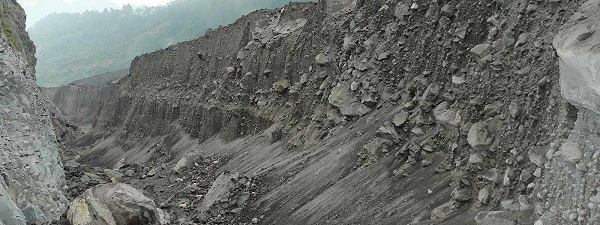
Pumice is a volcanic rock mineral. How mineral pumice is formed It is like this when lavas with a lot of water and gas are formed and towards The surface of the earth is released and they erupt from the volcano; A light and stony mineral is formed as a result of lava cooling and hardening; Belly rocks full of gas bubbles! which have a low weight to trap gases in it.
What is the use of mineral pumice?
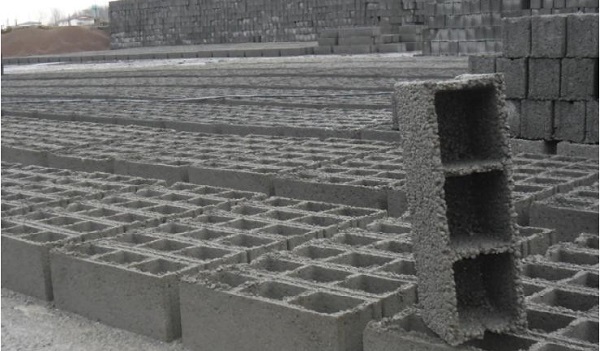
So far, you have met the definition of mineral pumice and how it is formed, and you may have the question that What is the application of mineral pumice? It should be said that almost three quarters of the extracted volume mineral pumice and industrial pumice that is created in a factory; It is used in light construction materials such as concrete blocks and raw concrete. less pumice percentage; It is used in gardening, flooring, roofing, landscaping and making abrasive materials. Its other uses are in grinding and polishing glass, as well as cleaning and preparing some types of metal.
Use cases of mineral pumice
mineral pumice is used in the following cases:
- Use of mineral pumice in paving streets, highways and roads
- Glass making and glass cutting industry for glass polishing
- mineral pumice in decorating gardens and aquariums
- In the preparation of some types of metals
- mineral pumice in landscaping
- As an abrasive in soap
- Use as a stepping stone
- Slope of the building floor
- Building roof at night
- Medical industry
- concrete materials
- Tunnel construction
- dam construction
- agriculture
Features of mineral pumice
Special features of mineral pumice It makes it known as a widely used mineral for contractors and farmers. The most important features of mineral pumice include; Incombustibility, poor conductivity, high strength, light weight, very good insulation against heat, cold and sound, resistant to moisture and rich in minerals, and it must be said that mineral pumice is one of the most amazing and widely used stones in the world.
-
Very good insulation against heat, cold and sound
One of the reasons that can convince us why mineral pumice is used in building materials is its insulation and poor conductivity. The issue of sound and heat insulation of building materials is an important issue that can prevent energy loss. The issue of noise pollution is also very significant in today's apartments and buildings.
-
Moisture resistant
Building construction in related environments requires building materials resistant to moisture, otherwise, over time, the damp smell arising from the walls of the building, as well as the resulting yellow stains, will not feel very pleasant. So, pumice stone can be the best option for construction in related environments.
-
Being non-combustible
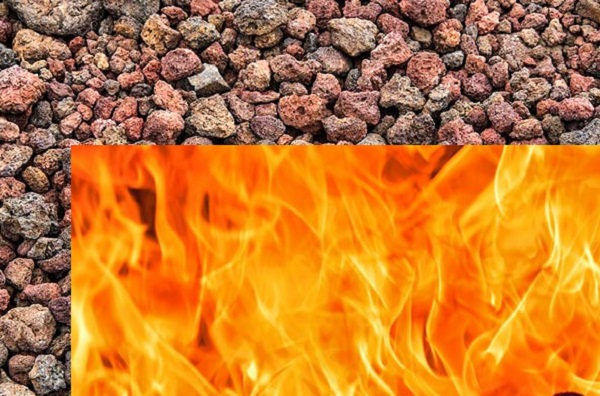
There is a possibility of fire in all buildings, but we can reduce the amount of casualties with a little care in the selection of building materials. If the building materials are of materials that have no resistance to fire, the whole building will burn at once. Pumice has the ability to withstand up to 760 degrees Celsius, and in case of fire, it can greatly prevent the fire and reduce the speed of the fire.
-
Rich in minerals
Pumice stone (pumice) comes from volcanic eruptions and is rich in natural mineral salts. Is it even possible to deny the presence of mineral salts in it despite all these properties and uses?
-
Low weight and light
Pumice or pumice is a porous stone that, despite its high resistance and strength, is very light weight. It is an amazing property. Pumice is a porous stone that has a spongy and rough appearance.
-
mineral pumice water absorption
Some types of mineral pumice can absorb a lot of water. Certainly, such a feature can be useful in many places, for example, in agriculture, where the main factor is water, the use of pumice stones can be very beneficial.
-
High strength
Mineral pumice strangely, contrary to the appearance and porous structure they have, have significant resistance and strength, so that this characteristic has caused pumice in the preparation and construction of building materials such as; Floor construction, slope construction, road and dam construction, tunnel construction, etc. can be used.
Types of mineral pumice
Pumice is either mineral and natural in general, which has come out of the crater of volcanoes, or it is industrially made from clay at high temperature in prepared mines. Types of mineral pumice They do not differ much in terms of efficiency in construction works, but if you want to use pumice in agricultural fields; You should use mineral pumice. Based on the method of formation, mineral pumice is divided into two types, construction and industrial. In another division, mineral pumice is divided into hazelnut-size pumice, pea, lentil, almond, and sand based on the appearance and size of its seeds.
Construction pumice stone
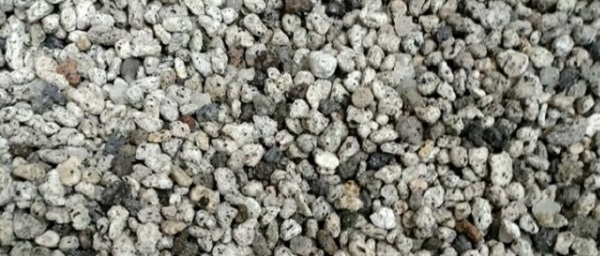
Construction pumice stone It is the same as volcanic lava and in white and gray colors and it is found in the market in fine pumice, almond-size pumice, hazelnut-size pumice, pumice sand, pea-size pumice and Pebble stones. Construction pumice stone It comes out naturally and from the heart of volcanoes, and its extraction is also in a place adjacent to or near the volcano. areas that have had active mountains; Often use this mineral pumice; Because the abundance of construction pumice in these areas is very high.
Of course, it is also important that before extracting mineral pumice, it should also be tested for reliability! Because there are also mineral pumice whose formation process is incomplete and from the standards mineral pumice They do not have a building.
Industrial pumice stone
This pumice is a factory product. After smoothing the clay and mixing it with water, it is kneaded and dried in the furnace under the appropriate heat. Industrial pumice stone It is light weight, soundproof and indestructible, that is, it is almost similar to construction mineral pumice, but it has a smoother surface and less minerals than natural pumice.
As we said, industrial pumice is a factory product; As a result, it does not need to be extracted from volcanic mountains, this reduces the cost of extracting and transporting pumice, as a result, the production of industrial mineral pumice is less expensive than construction mineral pumice.
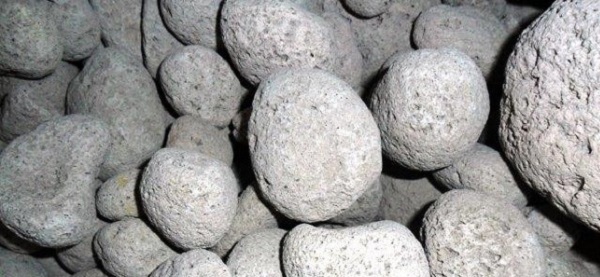
Pumice is a natural stone that has many practical uses. It can be used in large or very small sizes. While much of the mined pumice is used in building materials, it is also used as an abrasive in cleaning appliances and personal use.
hazelnut-size pumice
Among other types of mineral pumice, hazelnut-size pumice is This type of pumice has been created in a medium size of 16 to 20 mm. The reason for defining based on size for mineral pumice types is because; The formation of different types of pumice is the same and they are formed from the eruption of volcanoes, and the classification of mineral pumice types and their different uses is based on their size.
pea-size pumice
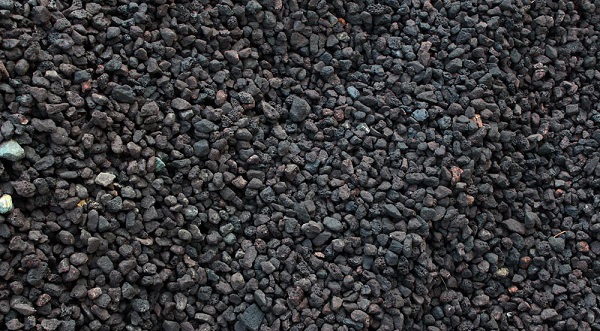
This type of mineral pumice is found between 8 and 17 mm in our sizes and has its own specific uses. High porosity and very low mass, as well as high strength of this type of stone, which makes it widely used pea-size pumice It is caused by the formation of these stones in the eruption of volcanoes and under high pressure and temperature. Read more about pea-size pumice...
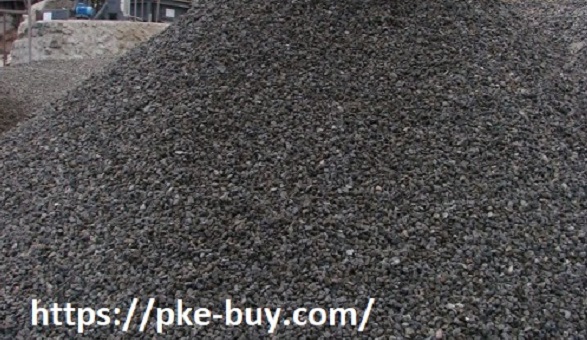
fine pumice
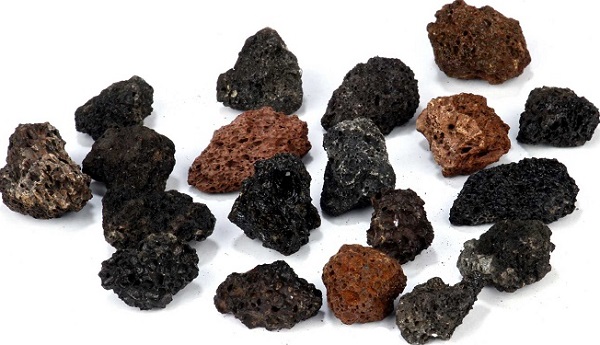
fine pumice It is an igneous rock with a light or dark color and very porous, which is formed during the eruption of active volcanoes, which has a very low weight and great strength in concrete production due to the gases present in it. This material is used in light concrete, construction activities, road construction, as masonry in landscaping, as an abrasive in all kinds of industrial and consumer products, and as aggregate. Many specimens are porous enough that they can float on water until they slowly become waterlogged and sink.
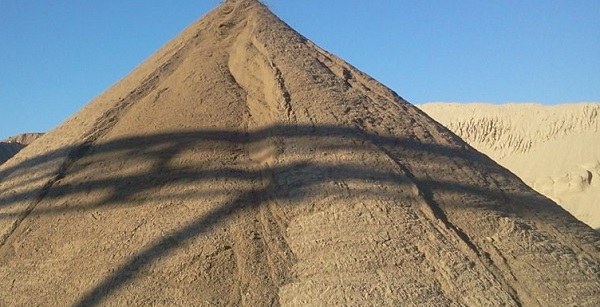
pumice sand
pumice sand It is the mineral pumice with smaller dimensions, which is called pumice sand because of its similarity with sand; Of course, it is also known by the names of concrete and block pumice, fine-grained pumice and sand pumice, and this type of pumice is used for some purposes that require light-weight fine sand. Read more about pumice sand...
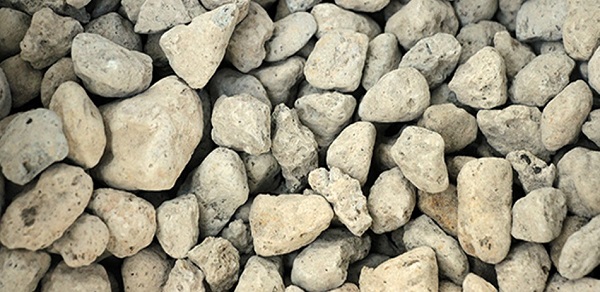
almond-size pumice
Among other types of mineral pumice, almond-size pumice is one of the most widely used types of pumice stone. The main difference almond-size pumice It is similar to other types of pumice in its size. so that almond-size pumice It has a size between 15 and 30 mm and is bigger than hazelnut-size pumice and lens; As a result, its weight per cubic meter will be lower, and its use in matters where the lower the weight of concrete, the higher the quality of work, such as building roofs and floors, will be very high.
PERSONAL USES OF mineral pumice
mineral pumice It is widely used as an abrasive in soaps and cleaners and is considered one of the softest abrasives on earth. Pumice is safe for personal use! Because it is a natural and non-toxic mineral. It can be used to remove seeds and soil as well as exfoliate the skin. from pumice in its natural stone form; It is used to remove dead skin on feet and hands.
Use of mineral pumice in treatment plants
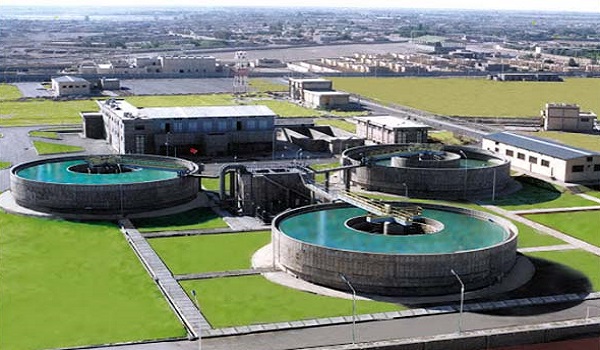
In some areas, but not everywhere, you can use traditional and practical water and wastewater treatment facilities. Water and sewage can be passed through the places filled with sand and mineral pumice to leave clear and clean water on the other side. Of course, do not confuse home purification with this method, because the mechanisms of different purifications are different.
The use of mineral pumice in the medical industry and personal health
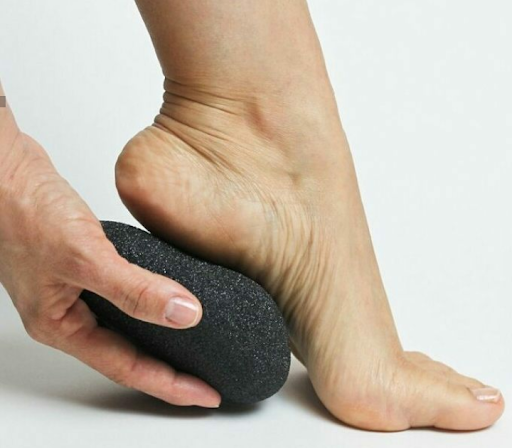
There are uses of mineral pumice in the medical industry as well. Parts of some sensitive medical equipment are made of pumice and they can even use pumice to wear metal and aluminum to make some medical parts. Another medical application of mineral pumice, which is effective for the health of patients, is the use of mineral pumice as a stepping stone. Some people suffer from skin diseases, especially on the soles of their feet, for various reasons. These people can use mineral pumice to massage the desired point to remove dead skin cells.
Stylization of structures with mineral pumice
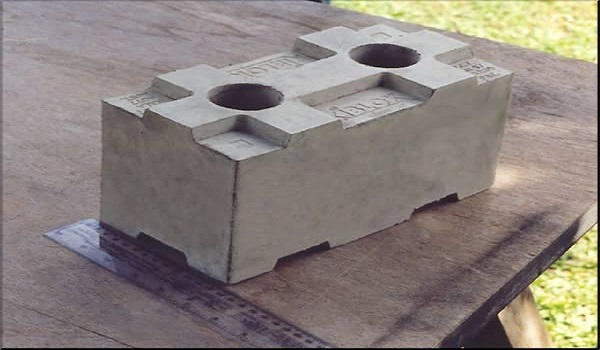
Stylization is one of the most effective tricks in construction, especially building structures and dams. Lightening will be effective when we know the weight of the structure, to make an intervention in its strength, lower it and strengthen the structure against possible risks. mineral pumice is one of the best things in styling. Stay with us.
Use of mineral pumice in agriculture
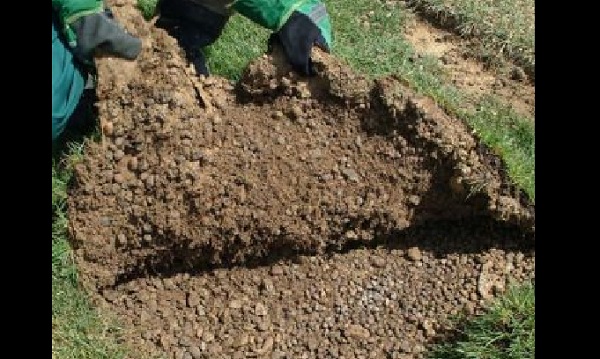
Maybe too many benefits Application of mineral pumice in agriculture You may have heard this without knowing why. As the name mineral pumice suggests, it is a rock that contains minerals. Minerals can help improve agricultural soil, which is why pumice can be used in agriculture and soil improvement.
mineral pumice Qorveh
Qorveh is full of quality pumice mines in Iran, mineral pumice Mantashlou mine is also located in Qorveh and sends the best and highest quality pumice to applicants all over the country. One of the special features of mineral pumice Qorveh is low weight due to high porosity and free of many impurities and high strength.
Sources of mineral pumice (pumice) and its difference with pumicite
Pumice usually; It is rich in silica and low in iron and magnesium. Pumice is light enough to float on water, but sinks when water penetrates it. The term "pumice" or mineral pumice usually refers to large stones. pumicite is a fine-grained version of pumice; which is formed if there is a higher level of gas (more porosity and less weight).
In what areas is pumice extracted?
Pumice is mostly found in areas with volcanic mountains, because it is a type of volcanic rock. Currently, fifty countries around the world mine mineral pumice. The largest is Italy, followed by Chile, Greece, Turkey, the United States, Spain and Iran. In Iran, most pumice is extracted and distributed in Qorveh mines.
mineral pumice Perlite
If mineral pumice is exposed to high pressure and heat and the local mineral deposits are calcareous, it becomes lighter in colour and denser and contains more minerals, but it is more brittle. Perlite is therefore used chiefly in agriculture, while other grades of pumice are used in lightweight and concrete construction. Perlite and some other types of pumice are used in agriculture because they absorb water readily. Irrigating soil that contains these materials can therefore require less water and can add minerals to the soil and crops.
Selected properties and microscopic examination of mineral pumice
The information in this section comes from an article by Cikova (Blagica cekova), Pawlowskiblagoj pavlovski), Reka (arianit reka) و دوستان نوشته و در کنفرانس پانزدهم فراوری مواد معدنی بالکان در سوزویل بلغارستان مطرح شده است، به آدرس https://www.researchgate.net
Properties and constituents of mineral pumice:
60% to 70% porosity
Sizes from 5 to 50 mm
80% compressive strength
Weight of 500 to 1200 kg per cubic metre
% (mass) (% of mineral pumice mass) Oxides (constituents of mineral pumice) 64,95 silicon oxide (SiO2) 11,85 Aluminum oxide (Al2O3) 4,51 Hematite (F2O3) 1,49 calcium oxide (CaO) 1,88 magnesium oxide (MgO) 1,40 Potassium nitrate (K2O9 0,84 sodium oxide (Na2O) 1,74 Sulfuric acid (SO3) 11,20 volatile matter (LOI) 99,86 Total
mineral pumice weight
One of mineral pumice’s advantages over other stones in construction is its low weight. It is among the lightest rocks found in nature. How much does mineral pumice actually weigh?
The weight of mineral pumice is often expressed per unit volume. For example, a cubic metre of almond-size pumice weighs 500 to 600 kg. The weights of individual pumice grades can be found in the article Determining mineral pumice specific gravity view
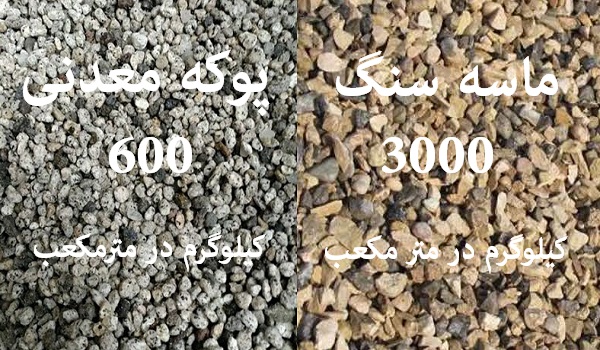
The weight of one cubic meter of mineral pumice It weighs about 500 to 650 kg. The range reflects impurities in some deposits, which increase the weight of a cubic metre of pumice. Taking the average across mines and grades, however, mineral pumice weight it weighs 600 kg per cubic metre.
The image below compares the average weight of mineral pumice and sandstone, which are 600 and 3000 kg per cubic metre, respectively:
Buy mineral pumice from Mantashlou
You can order any amount from mineral pumice In its various types, place your order through the numbers below Mantashlou Mineral Industrial Co Register and receive your order at the best price as soon as possible. Mantashlou's best-selling pumice include; Construction pumice stone and Industrial pumice stone is It is worth mentioning that Mantashlou Mine has included special discounts for material sellers, contractors, mass sellers that you can benefit from these discounts with just one call.
Frequently asked questions
What is mineral pumice and what is its use?
mineral pumice is the result of cooling the molten material of volcanoes and it can be used in construction, floor slope, between floors and roof, light and strong concrete, paving stones and agriculture.
What is the main property of mineral pumice?
Low weight, high durability, insulation against fire, heat, cold and sound, as well as being cheap and affordable are the main features of mineral pumice.
Where is the best mineral pumice mined?
High-quality mineral pumice It is mined in Qorveh. The best grades are darker, lighter in weight and more porous, with fewer impurities.
How do you identify and order the right mineral pumice?
Contact us to find out which mineral pumice is suitable for your activity and also to order mineral pumice from Mantashlou mine.
What type of rock is mineral pumice?
mineral pumice is a group of rocks that are volcanic molten material rich in minerals that cools rapidly at the mouth of the volcano.
Which mineral pumice is suitable for pots?
Pumice sand and fine pumice, both fine-grained, are the grades most often used in potting soil.
Which is the best mineral pumice?
When grades have the same quality and impurity levels, the choice depends on your intended use. For agriculture, for example, fine and pea-size pumice are preferred.
Related articles:
Mineral pumice prices by type and grade