
The relationship between agriculture and pumice
You may have heard many benefits and applications of mineral pumice in agriculture; But don't know why? As from the term mineral pumice Obviously, a stone has minerals. Minerals also act as a booster for agricultural land. As a result, pumice can be used in agriculture and strengthening agricultural lands. In the following, we examine the types of uses and application of mineral pumice in agriculture.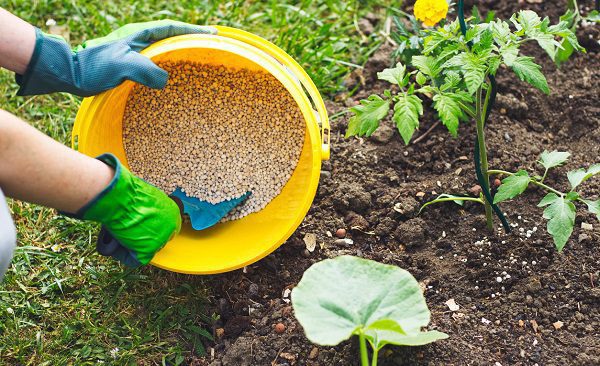
How to use mineral pumice in agriculture
This activity is not very complicated. Fine-grained mineral pumice is placed regularly and in suitable sizes on the agricultural land in such a way that it can inject suitable minerals into the whole land. Then by plowing the land and watering the mineral salts in it mineral pumice It is injected into the soil and strengthens agricultural fields. Read more: Main features of mineral pumice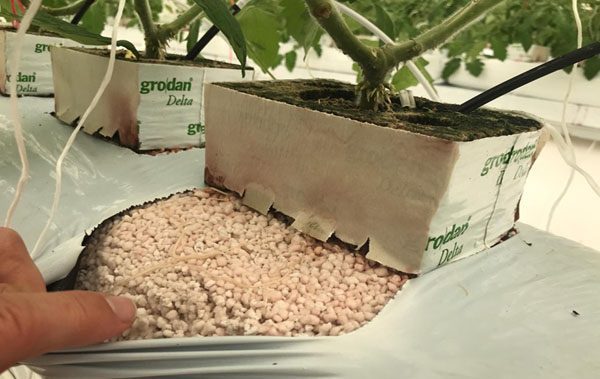
What land is pumice needed for?
- In lands that do not have the necessary minerals for seed growth
- Remediation of almost dead soils
- For propagation of grasses and non-agricultural plants
- In soils where agricultural products do not grow well
- in hydroponic fields (cultivation in water)
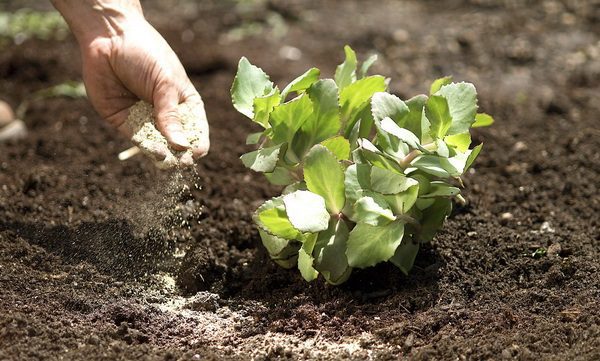
How pumice affects agricultural soils
- Pumice in the first stage due to the injection of organic materials into the soil and in the next stage due to its porosity and moisture retention can be very effective for agriculture and soil improvement.
- Pumice can also multiply the amount of oxygen supplied to the plant and soil, and also ensures the uniform distribution of water and moisture throughout the ground.
- Pumice can even prevent fluctuations in the amount of organic matter in the soil and make agricultural fields benefit from a reasonable amount of crops in different periods.
- mineral pumice can still reduce the incidence of agricultural products to certain diseases and in other words makes the soil sterile.