
در مقالات گذشته به بیان Features of mineral pumice در زمینه های مختلف پرداختیم و دانستیم که با خواصی که دارد در فرآیند ها و صنایع مختلفی می تواند مفید باشد. حال به موضوع فواید و انواع کاربرد پوکه معدنی We will discuss in the treatment plants and how to use it in water and sewage treatment.
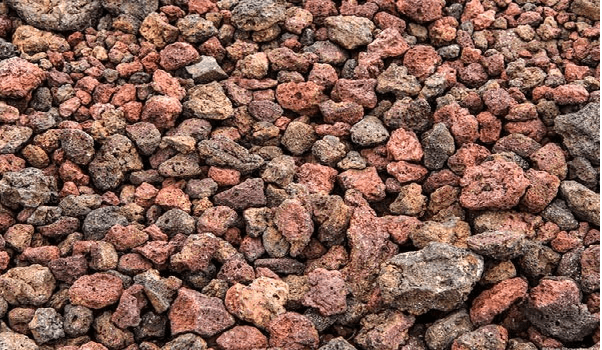 Why do they treat water and sewage? Due to the fact that we are facing water shortage in most parts of the world today, one of the ways to deal with this problem is to treat water and sewage and produce fresh water from it. In addition, wastewater treatment has many benefits. In the domestic and industrial wastewater treatment process, the wastewater is cleaned of any pollutants, chemicals, toxins, and bacteria so that it can be reused and even drunk. Scoria stone, which is a type of mineral pumice, is used to clean all kinds of pollution and sewage toxins due to its antibacterial properties. On the other hand, by collecting wastewater and treating it, the pollution of the environment and underground water is also prevented.
 1. Rich in mineral salts 2. High porosity and light weight 3. High resistance to pressure 4. Disinfectant and antibacterial properties 5. mineral pumice's long life, which increases the life of filter devices.
Why is mineral pumice used in treatment plants?
mineral pumice are light grains obtained from volcanic eruptions. Mineral pumice stones are porous and contain features that make them useful in various cases. Pumice stones in the construction industry for slope, flooring, concrete lightening, road construction, dam construction, in the textile industry for sanding fabrics and in the industry agriculture It is also used to strengthen the soil of plants. But the types of mineral pumice applications do not end there, and in addition to the mentioned cases, mineral pumice is also used in the water and sewage treatment process. But the question arises, why and how mineral pumice is used in water and sewage treatment plants? Which property of pumice causes its use in water purification? Read more: 7 advantages of using mineral pumice in potsHow is mineral pumice used in water and wastewater treatment?
Specific weight of mineral pumice and its application in treatment plant
The process of formation of pumice is such that the pumice become very porous and this porosity makes them very light in weight. The pumice are so light that it has become one of their distinctive features and another name given to them is "light grain". The light weight of pumice stones, their antiseptic properties, and their high tolerance threshold against pressure and heat are the reasons for their use in the purification industry. The specific weight of pumice is different in its different types, such as almond, hazelnut, etc. For example, the specific weight of fine pumice is 500 to 600 kg, while the specific weight of pumice sand is equal to 900 to 1000 kg. It is interesting to know that the bigger the pumice, the lighter it is. Specific weight for other types of mineral pumice in full in the article " Determining mineral pumice specific gravity» شرح داده شده است.Reasons for using mineral pumice in treatment plants
At first, it is better to have a small reference to the steps of water purification. In the first stage, insoluble water pollutants are separated and by mixing water with air, they help to activate microbes, which microbes take the water pollution and turn it into sludge, and the sludge settles and separates. In the next stage, mineral pumice plays an important role in the treatment plant. In this way, pumice is used in filtration devices due to its light weight, antiseptic and antibacterial properties, and its high resistance to high pressures. The reason for using scoria stone is the mentioned properties that make the purification process easier and faster.Which properties of mineral pumice have made them to be used in treatment plants?