
Pumice and scoria are volcanic rocks formed from molten magma. Molten materials from volcanic eruptions, which are produced at high temperatures, turn into minerals that have cracks due to contact with raindrops. These stones have many benefits that can be used in various fields and uses. Pumice stones are produced in two colors, black and white. One of the applications of mineral pumice is in construction. In the following, we will examine how and under what title pumice can be used in different stages of construction.
 mineral pumice is used in the production of:
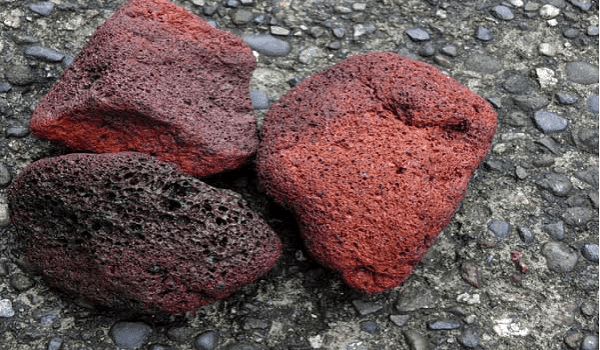 Undoubtedly, there are countless benefits of mineral pumice, which has caused its use in various fields. But how can pumice be so useful and practical? mineral pumice, igneous rocks are in the underground layers that are melted due to the high temperature of the underground and reach the surface of the earth in the form of magma. On the surface of the earth, they change and become solid. Perhaps the reason for the value of this style is that they are created at a high temperature, which makes them highly resistant. It is resistant to moisture, high pressure, heat and sound. One of the benefits of pumice stone, which is the ability to maintain purity, has led to its increasing use in the agricultural industry. mineral pumice is very useful for the pot and by keeping moisture and gradually transferring it to the soil, it helps the rapid growth of the plant.
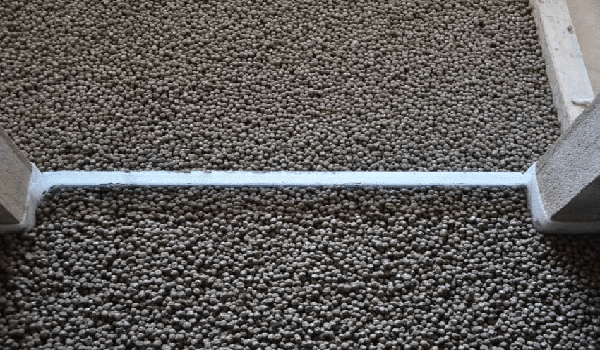 Flooring can be done both with concrete foam and with pumice. Flooring of the building with pumice can be done in two ways, which we will describe below: First method: In the first method, slope and chrome plating are done first. mineral pumice seeds are spread on the surface of the ground and to make the seeds uniform, the surface covered with pumice is pounded to perform compaction. Then a layer of sand and cement is covered on the pumice stones and thus a smooth surface is obtained. The second method: In the second method, it is necessary to chrome and tilt the floor beforehand. The difference between these two methods is that; In the second method, fine and coarse grains of pumice are mixed with cement and water and poured on the chromed surface. Mortar prepared from pumice, cement and water does not need to be compacted after being poured on the desired surface.
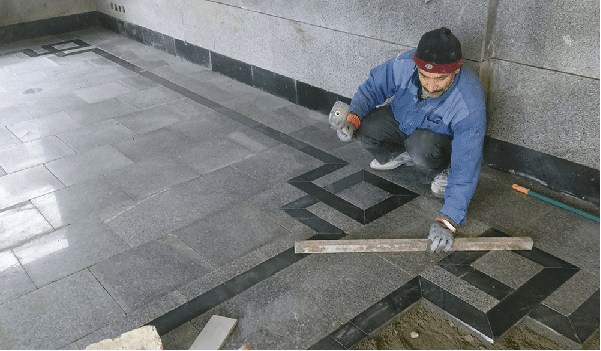 One of the steps in the construction operation is flooring. Paving on soil, paving the area, Flooring between floors, flooring on dry, semi-dry and wet floors are among the types of construction flooring.
Read more: Application of mineral pumice in landscaping
which can be done on the roof of the lower floor in two stages. In one stage, the foundation is built and the next stage is the construction of the upper layer. Flooring between floors needs to be highly resistant to fire, heat and moisture penetration. The materials used in flooring must be able to bear the weight of the building and everything that is placed on it, and it must also be soundproof. According to what was said about flooring, the only material that can meet these expectations is mineral pumice. The best type of pumice that can be used in flooring is pumice, which has a lighter weight than other pumice. Of course, light weight is one of the distinctive features of all types of pumice stone pea-size pumice and hazelnut-size pumice They are suitable for flooring.
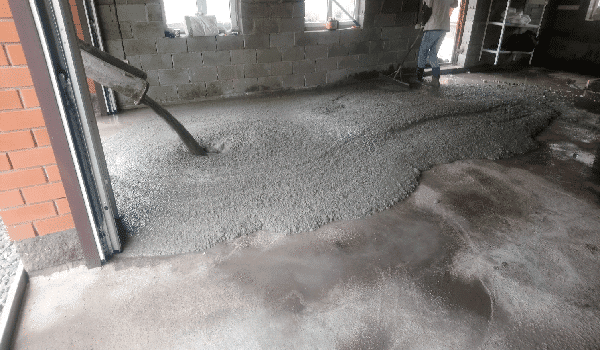 First, let's give a brief definition of foam concrete. Concrete foam is a type of construction material used in flooring and is a mixture of cement, water, foaming chemical and soft sand. High resistance to pressure and heat, insulation against cold, heat and sound, quick and easy transportation and implementation are the characteristics of foam concrete that can be used in flooring. But about that Foam concrete is better or pumice It should be said that using pumice and foam concrete in flooring, each has its own advantages and disadvantages. For example, the use of concrete foam in flooring is faster and saves time. This difference in time is very significant, so that the area that can be floored with concrete foam in a certain thickness and time is about 6 times that of pumice flooring under the same conditions. But in contrast, pumice flooring also has its own advantages. Mineral pumice has a high resistance to pressure and heat, which is less in foam. The amount of water used to prepare foam concrete is more. The lifetime of foam concrete is very short and it settles a little after a while, while the lifetime of pumice is long. Related articles:
Benefits of using mineral pumice in textile
Application of pumice stone in road construction
You can order any amount from mineral pumice In its various types, place your order through the numbers below Mantashlou Mineral Industrial Co Register and place your order as soon as possible The best price, take delivery.
To estimate the cost of flooring, first convert the average area and thickness into volume; Execution fee and shipping cost are not included in the price of the pumice unit. Pumice price table to compare the cost of goods and Required volume calculator They help to inquire more precisely.
Various cases of pumice stone applications
Applications of mineral pumice There are countless and the construction industry is one of them. Use of mineral pumice in agriculture and planting plants, using pumice in treatment plants, The use of pumice stone in the process of salting fabrics in textiles Only three are uncountable. Mineral pumice stones are produced in different sizes, which are named according to their dimensions, which makes each of them more useful in a specific case. Of course, mineral pumice also has other benefits; For example, in water and wastewater treatment, due to its antibacterial properties, while purifying the water, it also prevents the growth of sludge. This is despite the fact that a substance with such a characteristic has not been seen to perform these two tasks at the same time. Read more: Application of mineral pumice in treatment plantsTwo applications of mineral pumice in building
mineral pumice is used in the production of:
- Stylization of building blocks
- Foam concrete production with mineral pumice
- Ready-made panels or walls (pre-made) in the facade of the building
- Ready-made panels that are used to create a roof
- Use in the combination of sand and soil when paving the road
- Use in roof slope
- Use in the construction of fountains
- Use as an interface layer between soil and concrete
- Use as mortar for under work
Benefits of mineral pumice
Undoubtedly, there are countless benefits of mineral pumice, which has caused its use in various fields. But how can pumice be so useful and practical? mineral pumice, igneous rocks are in the underground layers that are melted due to the high temperature of the underground and reach the surface of the earth in the form of magma. On the surface of the earth, they change and become solid. Perhaps the reason for the value of this style is that they are created at a high temperature, which makes them highly resistant. It is resistant to moisture, high pressure, heat and sound. One of the benefits of pumice stone, which is the ability to maintain purity, has led to its increasing use in the agricultural industry. mineral pumice is very useful for the pot and by keeping moisture and gradually transferring it to the soil, it helps the rapid growth of the plant.
Use of mineral pumice in earthquake-prone areas
mineral pumice is very widely used and is used in many fields, and construction is one of these cases, but especially mineral pumice in earthquake prone areas is used and the reason for that is nothing but the special features of mineral pumice. Pumice is light but very resistant, has a low price, and a large volume of it will answer many tasks. Slope of the roof, construction of pumice blocks, flooring between floors, etc. are among the things that are made in buildings using pumice stones.What is mineral pumice used for on building floors?
In the previous section, we mentioned the role of pumice stone in building construction. But is pumice also used for flooring? yes One of the most important uses of this valuable material is in the flooring between floors. After the construction of the roof of the building, it is time to build the floor. But how is pumice flooring and what is the best type of pumice for flooring? Read more: The best type of construction pumiceHow to floor with mineral pumice
Flooring can be done both with concrete foam and with pumice. Flooring of the building with pumice can be done in two ways, which we will describe below: First method: In the first method, slope and chrome plating are done first. mineral pumice seeds are spread on the surface of the ground and to make the seeds uniform, the surface covered with pumice is pounded to perform compaction. Then a layer of sand and cement is covered on the pumice stones and thus a smooth surface is obtained. The second method: In the second method, it is necessary to chrome and tilt the floor beforehand. The difference between these two methods is that; In the second method, fine and coarse grains of pumice are mixed with cement and water and poured on the chromed surface. Mortar prepared from pumice, cement and water does not need to be compacted after being poured on the desired surface.
Flooring between floors
One of the steps in the construction operation is flooring. Paving on soil, paving the area, Flooring between floors, flooring on dry, semi-dry and wet floors are among the types of construction flooring.
Read more: Application of mineral pumice in landscaping
which can be done on the roof of the lower floor in two stages. In one stage, the foundation is built and the next stage is the construction of the upper layer. Flooring between floors needs to be highly resistant to fire, heat and moisture penetration. The materials used in flooring must be able to bear the weight of the building and everything that is placed on it, and it must also be soundproof. According to what was said about flooring, the only material that can meet these expectations is mineral pumice. The best type of pumice that can be used in flooring is pumice, which has a lighter weight than other pumice. Of course, light weight is one of the distinctive features of all types of pumice stone pea-size pumice and hazelnut-size pumice They are suitable for flooring.
Is flooring with concrete foam or pumice better?
First, let's give a brief definition of foam concrete. Concrete foam is a type of construction material used in flooring and is a mixture of cement, water, foaming chemical and soft sand. High resistance to pressure and heat, insulation against cold, heat and sound, quick and easy transportation and implementation are the characteristics of foam concrete that can be used in flooring. But about that Foam concrete is better or pumice It should be said that using pumice and foam concrete in flooring, each has its own advantages and disadvantages. For example, the use of concrete foam in flooring is faster and saves time. This difference in time is very significant, so that the area that can be floored with concrete foam in a certain thickness and time is about 6 times that of pumice flooring under the same conditions. But in contrast, pumice flooring also has its own advantages. Mineral pumice has a high resistance to pressure and heat, which is less in foam. The amount of water used to prepare foam concrete is more. The lifetime of foam concrete is very short and it settles a little after a while, while the lifetime of pumice is long. Related articles:
Benefits of using mineral pumice in textile
Application of pumice stone in road construction
You can order any amount from mineral pumice In its various types, place your order through the numbers below Mantashlou Mineral Industrial Co Register and place your order as soon as possible The best price, take delivery.